
7 reasons to call Malta your second home
UPDATE: Since the publication of this news post, the Malta Permanent Residence Programme (MPRP) Regulations were published and individuals may now apply for the new MPRP. Click here to find out more.
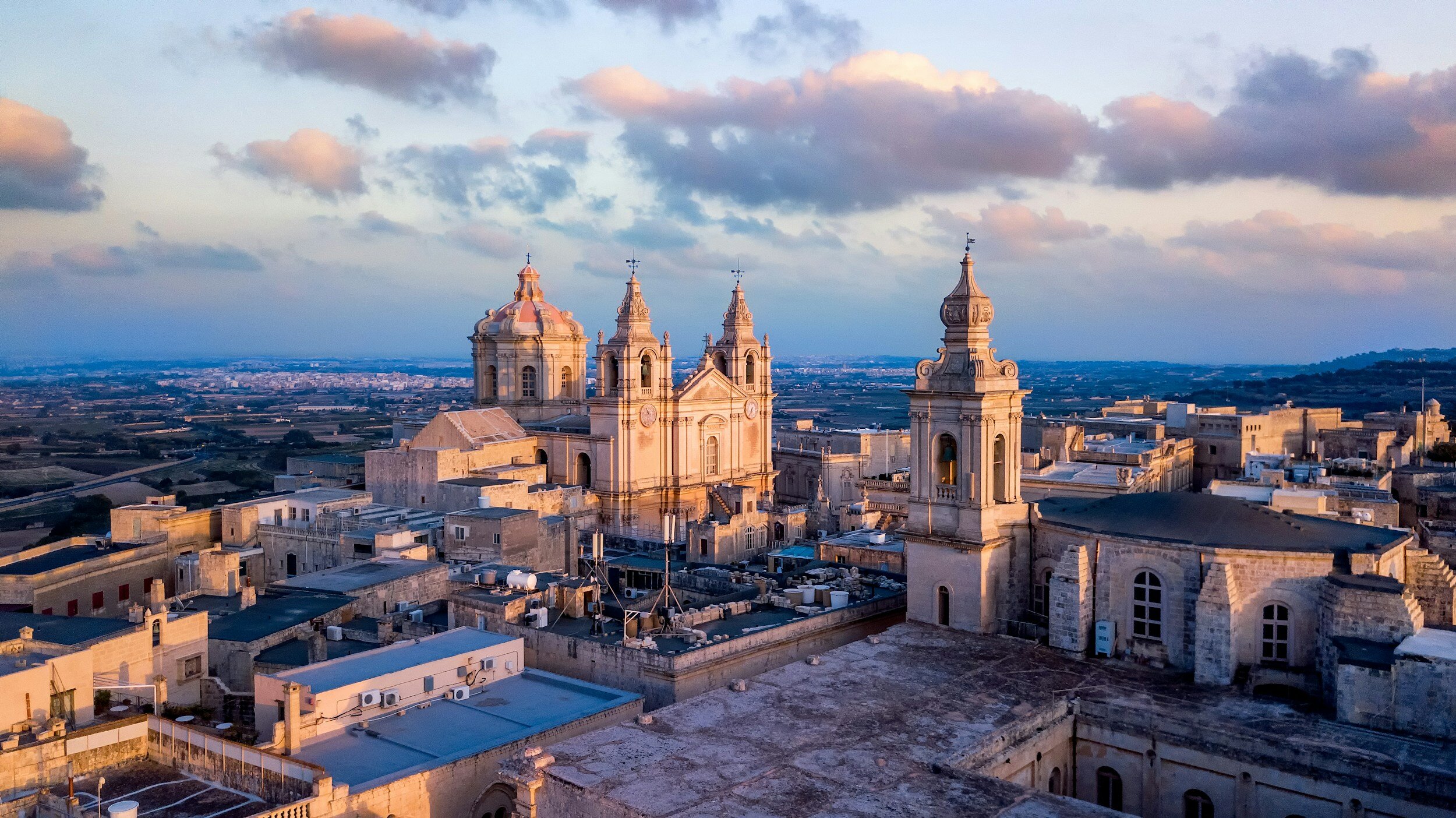
Sitting right in the heart of the Southern Mediterranean, with prehistoric temples and medieval towns and churches, a grand fortressed capital city, a stunning harbour and a busy entertainment district, might just make Malta the perfect holiday destination.
However, Malta is so much more than a mere vacation island, boasting a unique combination of culture and history, fun and relaxation, and adventure and excitement.
Sitting right in the heart of the Southern Mediterranean, with prehistoric temples and medieval towns and churches, a grand fortressed capital city, a stunning harbour and a busy entertainment district, might just make Malta the perfect holiday destination.
However, Malta is so much more than a mere vacation island, boasting a unique combination of culture and history, fun and relaxation, and adventure and excitement.
Here are just a few reasons as to why you should consider Malta for your family’s second home:
- Healthcare
Historically, Malta played a key role in healthcare, earning the reputation of ‘Nurse of the Mediterranean’ and having cared for over 100,000 injured soldiers during the 1st World War.
Today, Malta continues to live up to its reputation, offering access to state of the art healthcare in both the public and private sectors, with the country spending 9% of its GDP on health.
With longstanding history of medical healthcare excellence, Malta holds the 5th position in the World Health Organisation’s ranking of world health systems.
- Language
With the departure of the United Kingdom from the European Union, Malta is now one out of only two European Union member states where English is an official language. This sets Malta apart and eliminates the risk of having to deal with a language barrier.
Malta also has its own official language, Maltese, being a mixture of mainly Arabic, French, Italian, and English. If you speak any of these languages, you’re likely to pick up on the similarities.
- Education
Malta’s education system is highly rated, offering a good variety of public, private and international schools. Being built upon a British system of education and with classes delivered in English, you can be confident that students are able to build the foundations necessary for future success.
At further education level, the University of Malta is renowned for its top standards, and welcomes hundreds of international students every year, with many opting for leading courses such as Medicine, Engineering, and Computer Science.
- Global Access
Historically, Malta has always maintained excellent bilateral and multilateral political relations with the international community. Malta is also a member of the Commonwealth, a European Union member state since 2004, and has also formed part of the Schengen area since 2007.
The Maltese islands are also conveniently located in the middle of the Mediterranean Sea, just south of Italy and north of Tunisia. Malta International Airport links to 95 destinations in 33 countries including Russia, Turkey and the UAE.
Overall, this means that Maltese residents may travel visa-free to and from the 26 Schengen states for up to 3 out of every 6 months, while Maltese citizens may travel visa-free throughout the Schengen area without any staying time restrictions. Citizens of Malta also enjoy the freedom of mobility, capital and labour throughout the 27 European Union member states.
Beyond Europe, Malta is party to a significant number of visa waiver agreements worldwide, granting visa-free access to 184 countries, including the USA and Canada.
- Resilient Economy and Property Market
Malta’s economy has proven its resilience through periods of international financial crisis, and has recently been affirmed as having an ‘A+’ rating, with a stable outlook and a projected GDP growth of 5.4% in 2021.
As to the property market in Malta, whether it’s for a residential home, long-term capital investment, or buy-to-let, Maltese property has also proven its stability. Notwithstanding the COVID-19 impact on the overall economy, the property market is doing well and prices remain on the rise.
- Booming Industries
The country’s economy is bolstered by Malta’s strong financial and fintech sectors, which amount to 13% of Malta’s GDP.
Malta has set itself to be an industry leader in digital innovation, and is Europe’s top iGaming hub, employing thousands of local and international talent. Malta is also a leader in the Maritime sector and boasts Europe’s largest ship and yacht registry.
Having seen success in other industries, Malta is now making waves in other sectors such as aviation, blockchain and cryptocurrencies.
By being active in so many different industries it’s no wonder that Malta has a low unemployment rate of 4.4%
- Investment Migration
Malta offers industry-leading options for both residence and citizenship by investment. This has further positioned Malta as a popular relocation choice for many high-net-worth individuals looking to invest in the country and benefit from all that Malta has to offer.
An improved Malta Permanent Residence Programme was proposed earlier this year, and is expected to be available in the coming weeks. Successful applicants and their dependant family members will benefit from a Maltese Residence status that is valid for life.
Furthermore, in 2020, Malta’s Granting of Citizenship for Exceptional Services (CES) Regulations were introduced, allowing for the granting of citizenship by naturalisation for exceptional services by direct investment. The regulations allow successful applicants to become citizens of Malta after a minimum period of residency of 12 or 36 months, a non-refundable direct investment, and title of lease or purchase over immovable property.
This blogpost is being published strictly for informational and educational purposes, and should be correct and accurate at the time of publication. The content of this publication should not be considered as formal legal, immigration, or tax advice.
recently post
Maltese Easter Traditions

Vacancy Alert: Junior Client Liaison Officer -Filipino Speaking
FAQ: Nomad Residence Permit
A Shining Example: Honouring Our Employee of the Year on International Women’s Day
Understanding Maltese Property Purchasing Laws and Procedures
From Aspirations to Reality: A Guide to the Maltese Real Estate Market
© Attard Baldacchino 2024. All Rights Reserved.